IEEE ICIP 2026 Satellite Workshop

Time-Resolved Computational Imaging

A focused workshop on computational methods and sensing systems that jointly resolve space, time, and delay to enable new forms of imaging, ranging from ultrafast optics and non-line-of-sight imaging to radar, acoustics, microscopy, and biomedical systems.

Conference Dates
13–17 Sept 2026
Workshop Date
17 September 2026
Camera-Ready Deadline
08 July 2026

About the workshop

Time-resolved sensing brings the delay dimension into imaging rather than treating temporal variation as distortion.

This workshop highlights the use of high-resolution measurements of time delay to produce richer images and scene information. The broader aim is to connect sensing hardware, inverse methods, and computation in applications where simultaneous spatial and temporal resolution is essential.

In many imaging systems, hardware exposure times are far too slow relative to the variations present in the scene, so the delay axis is effectively discarded. Time-resolved imaging changes that picture. It opens the door to depth perception, 3D scene understanding, and high-speed phenomena reconstruction, but it also demands computational approaches beyond classical Shannon–Nyquist sampling.

The workshop is designed for researchers and engineers interested in hardware–software co-design, sparse and computational reconstruction, noise-robust inference, and next-generation sensing systems across multiple scientific domains.

Why this matters

  • Brings temporal delay into the imaging model rather than suppressing it.
  • Supports depth, 3D, and hidden-scene inference for robotics and perception.
  • Requires new computational methods for few, noisy, and indirect measurements.
  • Encourages interdisciplinary research across sensing, imaging, inverse problems, and hardware design.

Keynote speakers

The workshop will feature several keynote speakers covering different areas of time-resolved imaging.

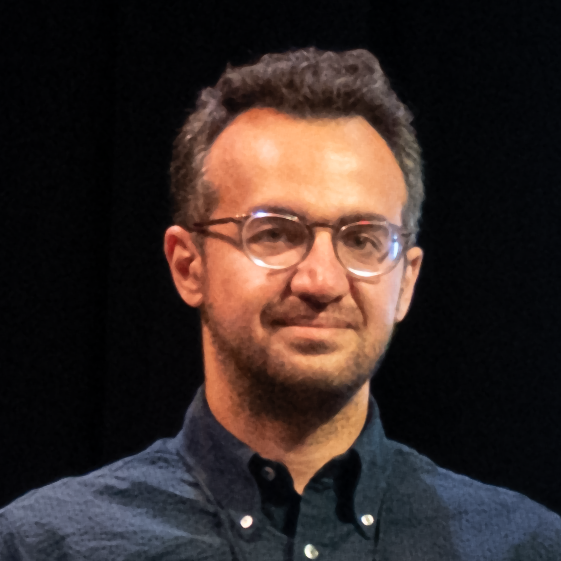
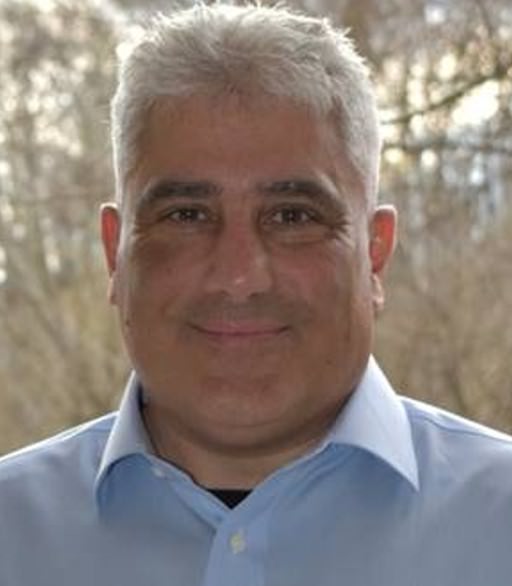
Portrait of keynote speaker

Ioannis Gkioulekas

Associate Professor, Carnegie Mellon University

Keynote Talk

Another Look at Passive 3D Imaging

Computational Time-Resolved Imaging

Biography

Ioannis Gkioulekas is an associate professor in the Robotics Institute at Carnegie Mellon University. He works broadly in computer graphics and computer vision, focusing on computational imaging: the joint design of optics, electronics, and computation, to achieve unprecedented imaging capabilities. Technical keywords that often show up in his research include: interferometry, acousto-optics, single-photon imaging, lidar, speckle, physics-based rendering, differentiable rendering, volume rendering, Monte Carlo simulation. For his research he has received the NSF CAREER Award, Sloan Research Fellowship, Bodossaki Distinguished Young Scientist Award, industry awards from Sony and Google, and several best paper awards at CVPR and SIGGRAPH.

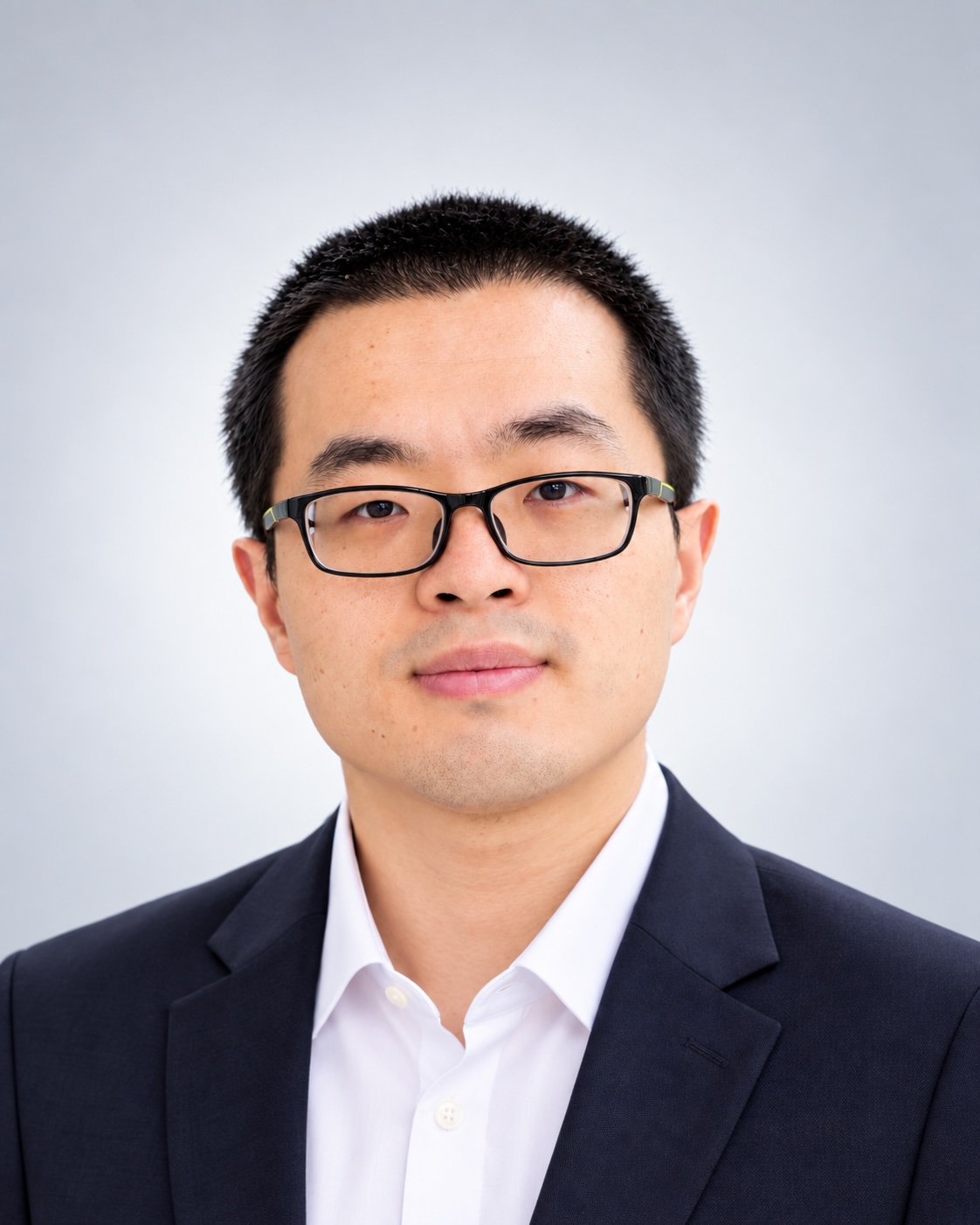
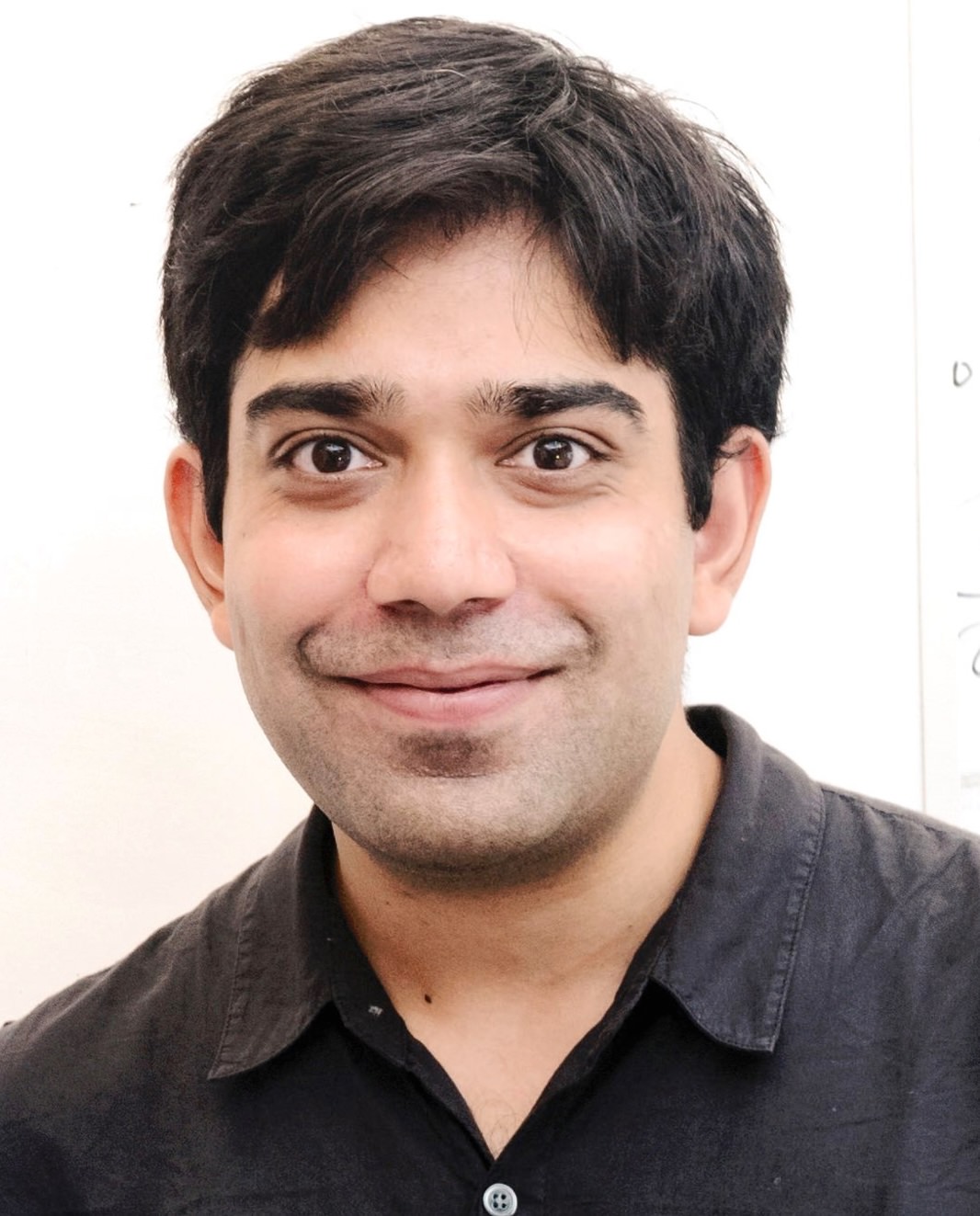
Portrait of keynote speaker

Ruiming Guo

Scientist, Imperial College London

Keynote Talk

Towards Machine-Centric Time-Resolved Imaging

We will describe our progress toward this vision through machine-centric time-of-flight imaging.

Biography

Ruiming Guo received the Ph.D. degree from the Department of Electronic Engineering at the Chinese University of Hong Kong (CUHK), HKSAR, China, in 2021 which was supported by the Hong Kong PhD Postgraduate Scholarship. He worked as a postdoctoral research fellow at the Department of Electronic Engineering at CUHK, from 2021 to 2022. He is currently a postdoctoral research associate at the EEE Department of Imperial College London (ICL), working on computational imaging and sensing. He received the Postgraduate Student Research Excellence Awards from the Department of the Electronic Engineering of the Chinese University of Hong Kong in 2022. He has been a tutorial speaker at the European Signal Processing Conference (EUSIPCO 2024) and the International Conference on Acoustics, Speech, and Signal Processing (ICASSP 2025). He has received the Best Paper Award at the Sampling Theory and Applications Conference (SampTA 2025).

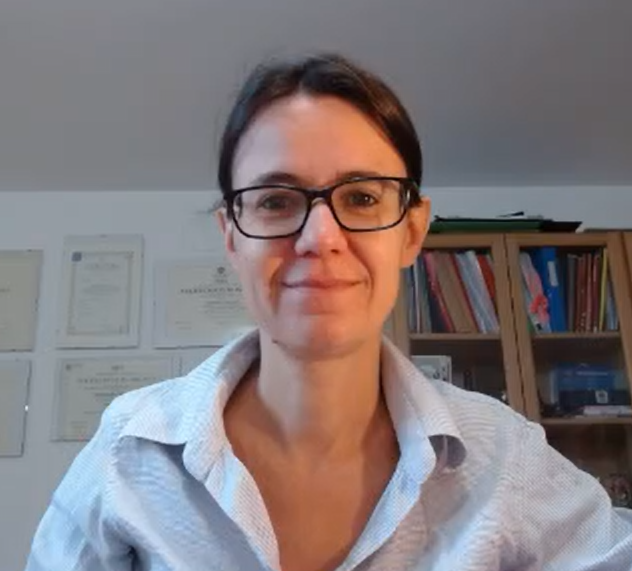
Portrait of keynote speaker

Federica Villa

Associate Professor, Politecnico di Milano

Keynote Talk

Single-Photon Detectors for Computational Imaging

Fundamental Devices to Large-Scale SPAD Imagers

Biography

Federica Villa received her M.Sc. degree (summa cum laude) in Electronic Engineering in 2010 and her Ph.D. degree in Information and Communication Technology in 2014, both from Politecnico di Milano, Italy. She has been an Associate Professor at Politecnico di Milano since 2021. Her current research activities focus on the design and development of Single-Photon Avalanche Diode (SPAD) detectors, arrays, and systems for health monitoring and bioimaging applications, including super-resolution and quantum imaging techniques. Her main research projects involve Quantum Ghost Imaging, quantum communications, protein sequencing through Raman spectroscopy, and autofluorescence-based tumor classification. She is the co-author of more than 210 scientific publications and has an h-index of 36 according to Scopus. She is also the inventor of six patents.

Workshop schedule

ICIP 2026 Workshop on Time-Resolved Computational Imaging — 17 September 2026

Time Paper ID Programme Speaker / Author
08:30 – 08:45 Introduction and Welcome Miguel Heredia Conde, University of Wuppertal
Session 1: SPAD-Based Sensing
08:45 – 09:45 Keynote Talk: Single-Photon Detectors for Computational Imaging Federica Villa, Politecnico di Milano
09:45 – 10:00 3889 Towards Quantile Sensing Vivek Goyal, Boston University
10:00 – 10:30 Break
10:30 – 10:45 4128 Generative Point-Cloud Priors for Deblurring and Super-Resolution of Single-Photon LiDAR Pallabjyoti Deka, Heriot-Watt University
10:45 – 11:00 4196 A Lightweight Frontend for Efficient SPAD Image Restoration Ville Karlsson, Tampere University
Session 2: ToF-Based Sensing and Reconstruction
11:00 – 12:00 Keynote Talk: Another Look at Passive 3D Imaging Ioannis Gkioulekas, Carnegie Mellon University
12:00 – 13:30 Lunch
13:30 – 13:45 Afternoon Session Kickoff Miguel Heredia Conde, University of Wuppertal
13:45 – 14:00 4234 A Compression-based Autoencoder Method for Transient Imaging Lianzi Wang, NUAA
14:00 – 14:15 4215 PHASE TRACE: A Physically Based Ray Tracer for the Simulation of Indirect Time-of-flight Cameras Alexandra Mielke, Bonn-Rhine-Sieg University
14:15 – 14:30 4253 Multi-Line Scanning Hybrid Time-of-Flight Image Sensor with Localized Exposure Control to Suppress Multipath Interference Keiichiro Kagawa, Shizuoka University
14:30 – 14:45 4076 Exploring the use of Time-of-Flight Images for Deep Learning-based Dense Visual SLAM Manuel Alejando Cercos Perez, Universitat Jaume I
Session 3: Signal Processing Methods for Emerging Time-Resolved Modalities
14:45 – 15:00 4222 Stochastic Spiking Neural Networks Training via Bayesian Inference: a Comparative Study Xiaoyu Wang, Heriot-Watt University
15:00 – 15:30 Break
15:30 – 16:30 Keynote Talk: Towards Machine-Centric Time-Resolved Imaging Ruiming Guo, Imperial College London
16:30 – 16:45 3906 MSMambaR2UNet: A Multi-Scale Mamba R2U-Net Framework for Quantized Speed-of-Sound Estimation in Ultrasound Computed Tomography Ali Noureldeen, Pennsylvania State University
16:45 – 17:00 4210 Impact of Light Field Compression on Super-Resolution Model Performance Daniela Saraiva, Universidade da Beira Interior

Topics of interest

A compact overview of the workshop scope.

  • Ultrafast light-in-flight imaging
  • Non-line-of-sight imaging
  • Computational radar imaging, including SAR and ISAR
  • Time-of-flight and 3D imaging
  • Time-resolved hyperspectral imaging
  • Time-resolved medical imaging
  • Computational acoustic imaging systems, including microphone arrays and SONAR
  • Photoacoustic imaging
  • FLIM and computational time-resolved microscopy
  • Hardware–software co-design for computational sensing

Important dates

Key milestones for submission, acceptance, final paper, and registration.

Satellite Workshop Paper Submission Deadline20 May 2026
Satellite Workshop Paper Acceptance Notification10 June 2026
Satellite Workshop Camera-Ready Submission Deadline08 July 2026
Satellite Workshop Author Registration Deadline08 July 2026
ICIP Conference Dates13–17 September 2026
Workshop Date17 September 2026

Workshop organizers

Portrait of Miguel Heredia Conde

Miguel Heredia Conde

Research Leader

University of Wuppertal, Germany

Biography

Miguel Heredia Conde works in computational imaging and sensing, with interests spanning time-of-flight imaging, imaging system design, and data-driven reconstruction methods. His work connects algorithmic imaging ideas with practical sensing platforms.

Portrait of Peter Vouras

Peter Vouras

Researcher

U.S. Department of Defense

Biography

Peter Vouras has long-standing interests in advanced sensing, imaging systems, and their broader scientific and engineering applications. His role in the workshop helps connect technical developments in computational imaging with wider community and application perspectives.

Technical Program Committee

Portrait of Ayush Bhandari

Ayush Bhandari

Associate Professor

Imperial College London

Biography

Ayush Bhandari is Associate Professor at Imperial College London. His work spans computational imaging, sampling theory, inverse problems, and sensing system design, with particular emphasis on time-resolved and computational acquisition frameworks.

Portrait of Mohit Gupta

Mohit Gupta

Associate Professor

University of Wisconsin–Madison

Biography

Mohit Gupta is Associate Professor in the Department of Computer Sciences at the University of Wisconsin–Madison. His research focuses on computational imaging, computer vision, and next-generation sensing systems, including depth, transient, and non-line-of-sight imaging.

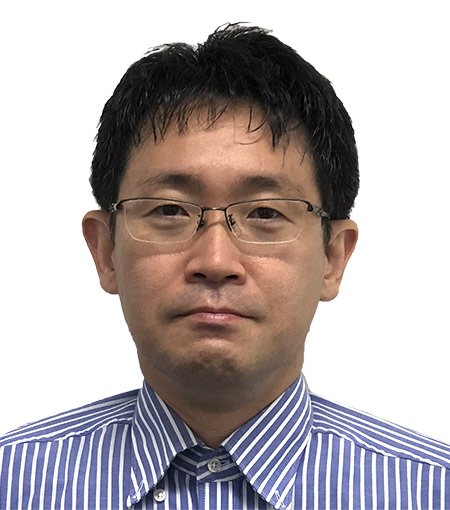
Portrait of Keiichiro Kagawa

Keiichiro Kagawa

Professor

Shizuoka University

Biography

Keiichiro Kagawa is Professor at the Research Institute of Electronics, Shizuoka University. His research covers high-performance CMOS image sensors, computational imaging systems, and biomedical applications, with strong contributions to time-resolved sensing technologies.

Portrait of Robert Lange

Robert Lange

Professor

Hochschule Bonn-Rhein-Sieg, University of Applied Sciences

Biography

Robert Lange is Professor at Hochschule Bonn-Rhein-Sieg, University of Applied Sciences. His work is associated with imaging, sensing, and applied computational methods relevant to time-of-flight and related measurement-driven imaging systems.

Submission information

The main call-for-papers information is surfaced below in a compact submission block.

Ready to submit?

The workshop uses the ICIP 2026 submission pipeline. Paper formatting follows the main ICIP author guidelines.

  • Submissions may be up to 5 pages for technical content, with an optional 6th page for references only.
  • Workshop papers will undergo a double-blind review process.
  • Unlike the main track, workshop papers do not include a rebuttal period.